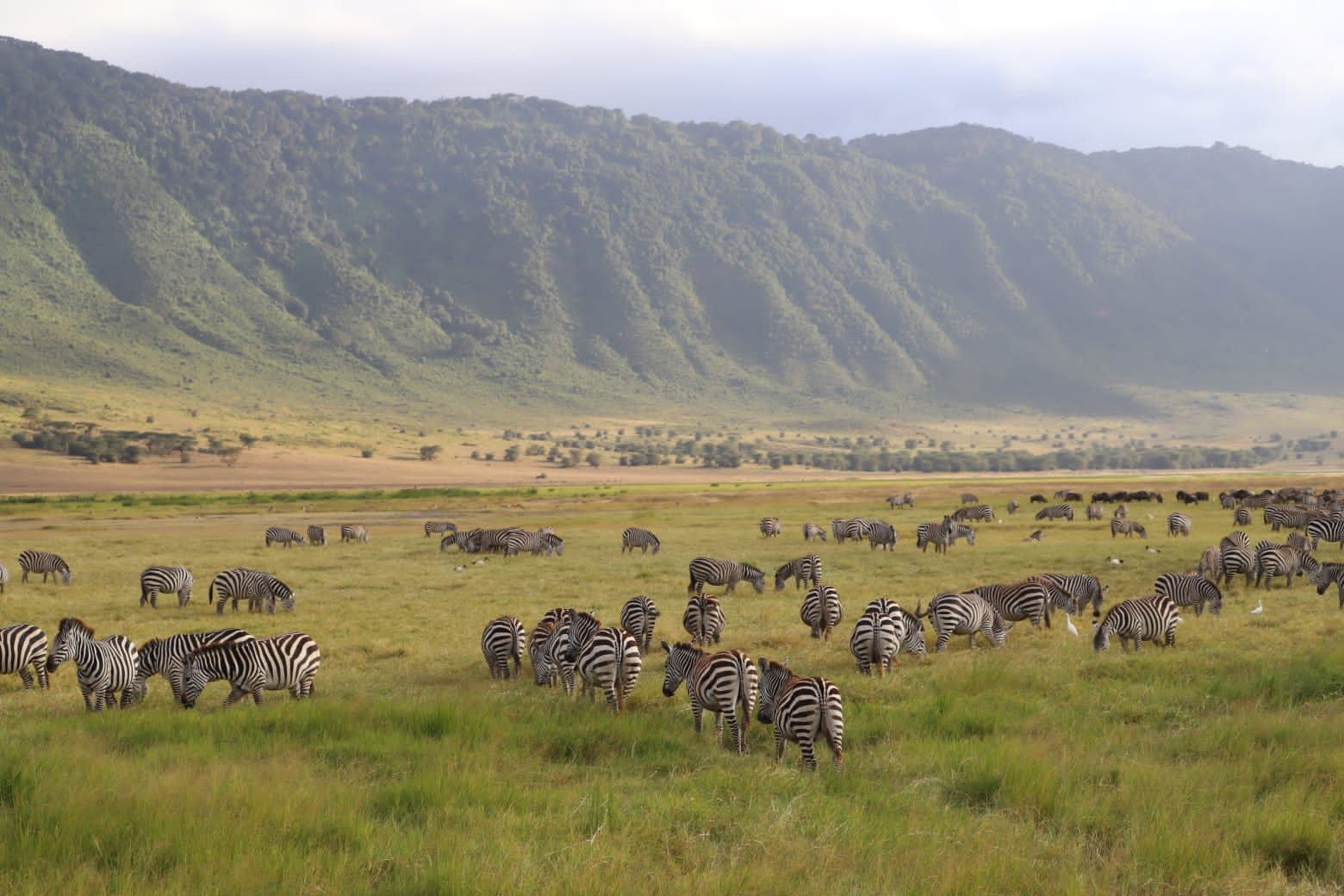

The Great Migration is a year-round movement of more than a million wildebeest and hundreds of thousands of zebra across the Serengeti-Mara ecosystem. It is not a single show on one afternoon. Where you should stay, how many nights you need, and whether river crossings are likely all depend on the month you travel and which sector of the park your lodges face.
Extenterra Safari’s plans migration safaris from Arusha with realistic drive and flight times. We match lodge locations to herd trends rather than promising a crossing every day. Use this guide to understand the calendar, then explore Serengeti routes on our destinations hub or tour packages.
Migration calendar at a glance
December to March: herds concentrate in the southern Serengeti and Ndutu area for calving. Predator action is intense. April to June: herds drift northwest as grass dries; movement varies with rain. July to October: northern Serengeti and Mara River sector; dramatic crossings possible but never guaranteed daily. November: herds begin moving south again as short rains refresh plains.
Build flexibility into your plan: a good guide reads grass height, water, and wind on the morning drive. Pair migration timing with our best time to visit Tanzania article for season and budget context.
Northern Serengeti and river crossings
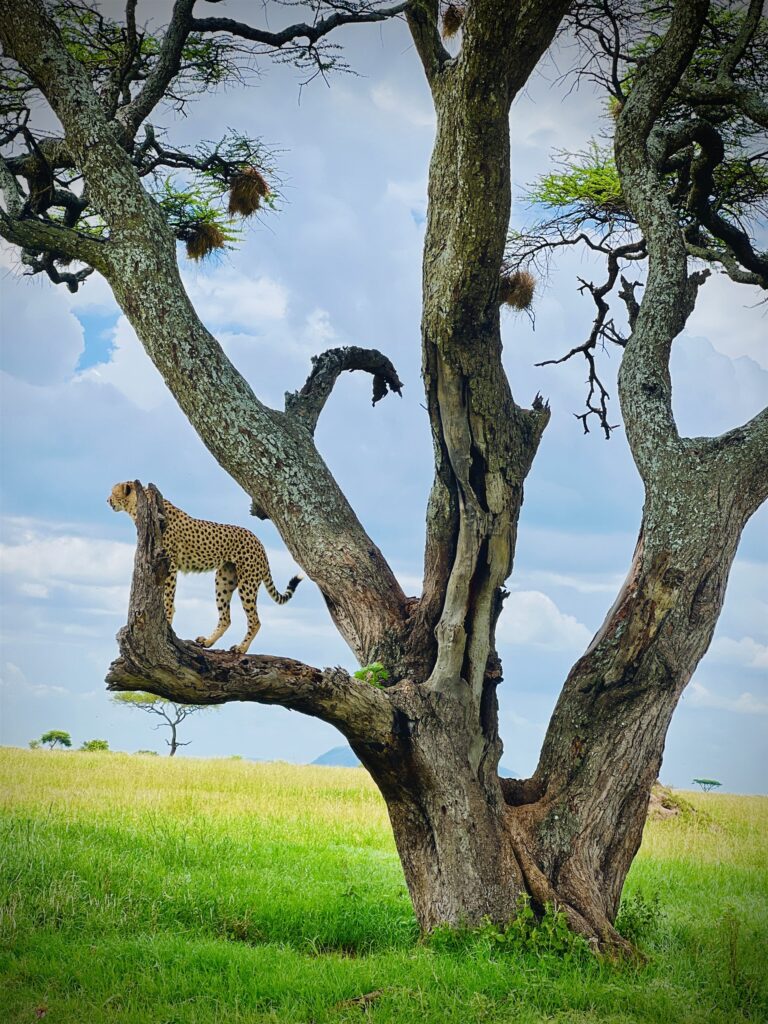
July through October draws travelers to the northern Serengeti for Mara River crossings. Crocodiles, current, and herd hesitation create unforgettable drama. Camps near Kogatende and Lamai reduce drive time to crossing points. Book early: lodge space is limited and flights from Arusha or Seronera airstrips should align with your lodge check-in.
Crossings are weather and herd dependent. Stay at least three nights in the north if crossings are your priority. Our 14-day Great Migration northern circuit safari is a proven template you can customize.
Extenterra tip
Ask for a mix of central Serengeti and northern sector lodges. Central plains offer cats and kopjes while you wait for crossing conditions to improve in the north.
Central Serengeti (Seronera) year-round
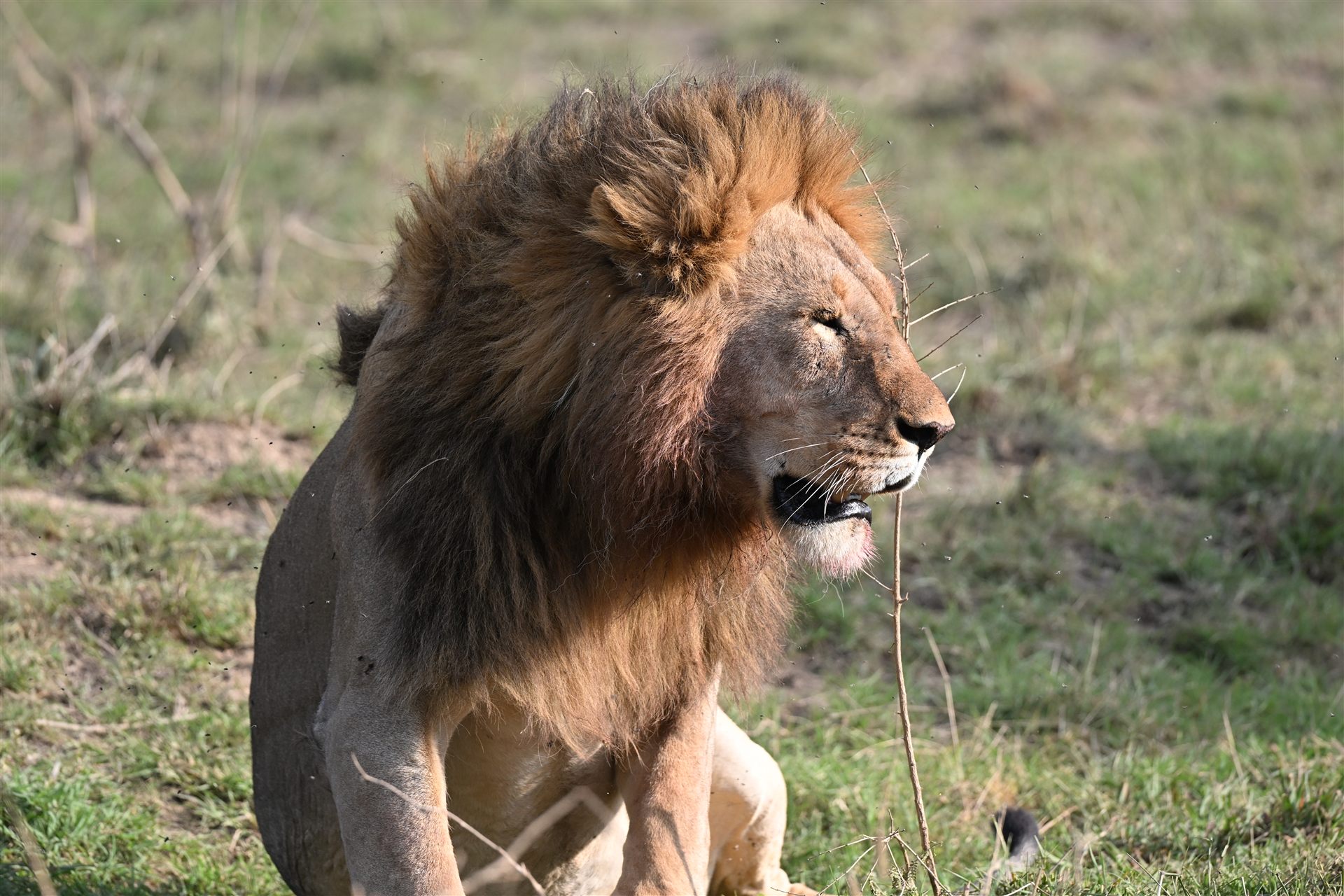
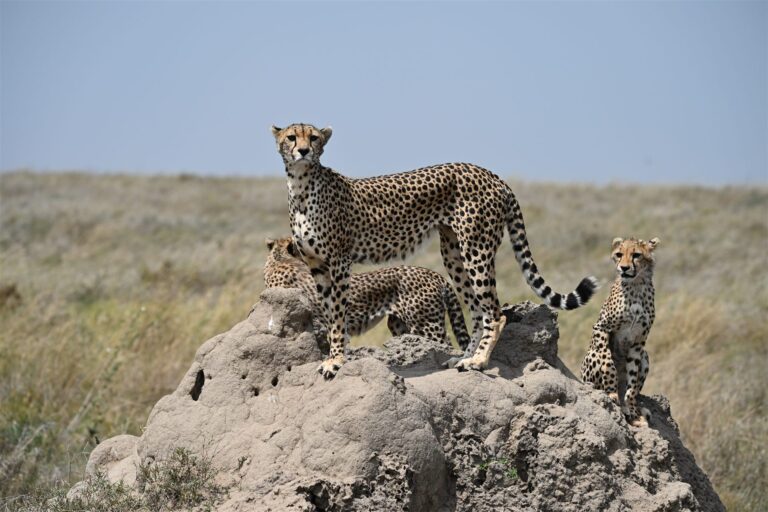
Central Serengeti around Seronera delivers reliable big cat sightings even when herds are elsewhere. Kopjes hide leopards; lion prides patrol river lines. If your dates fall in shoulder months, Seronera anchors the trip while your guide tracks herd reports for day trips north or south.
Photographers often split time: Seronera for predators, mobile camps for herd immersion. Browse our gallery and read FAQs on park fees and flight baggage limits.
Combining migration with Ngorongoro and Tarangire
Most migration itineraries include Ngorongoro Crater for dense wildlife in one day and Tarangire for elephants and baobabs. The sequence matters: crater descents are timed for morning light; Serengeti flights work best after Arusha nights.
See our Ngorongoro crater guide and private safari guide if you want a vehicle and guide dedicated to your group only.
Migration safaris reward preparation: right sector, enough nights, and a team that adjusts daily. Extenterra Safari’s handles lodge holds, airstrip transfers, and park fees so you focus on wildlife. Contact us with your month and group size for a tailored route.
Plan with Arusha experts
Ready to build your Tanzania safari?
Extenterra Safari’s designs private northern circuit routes, migration timing, and Zanzibar beach finishes from our base in Arusha. Tell us your dates and we will reply with a clear day-by-day plan.
Continue planning your Tanzania safari
Read next on our blog