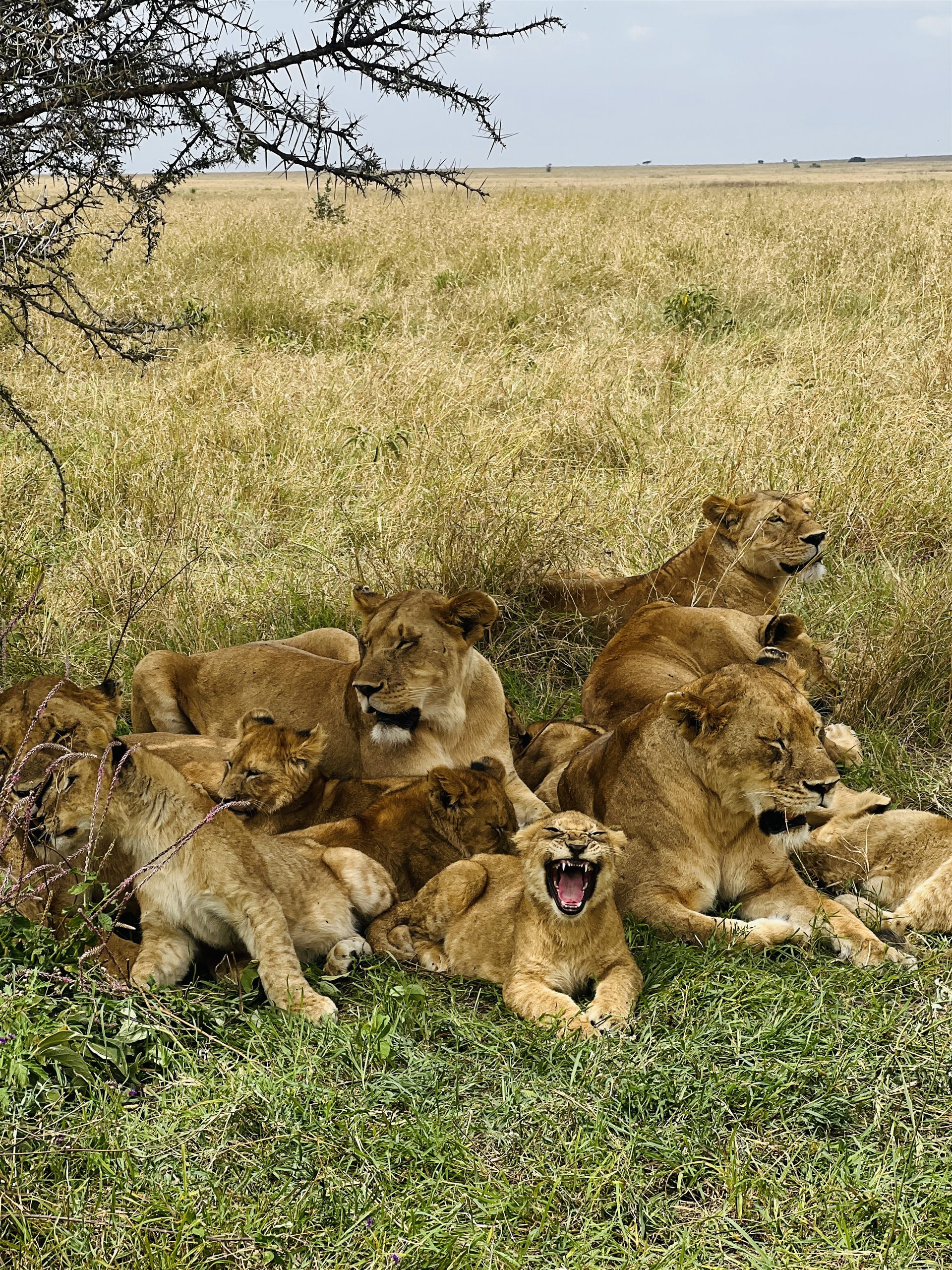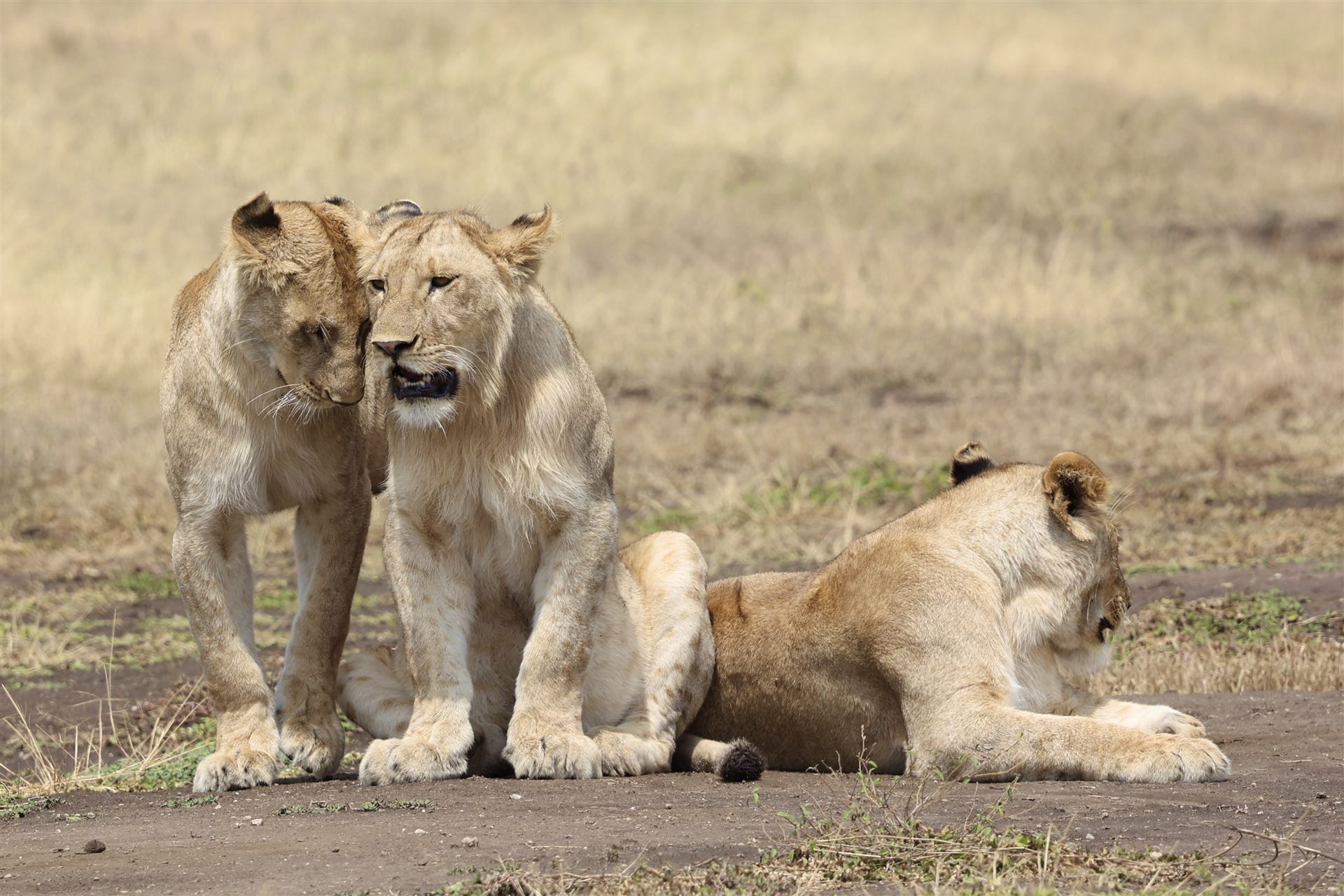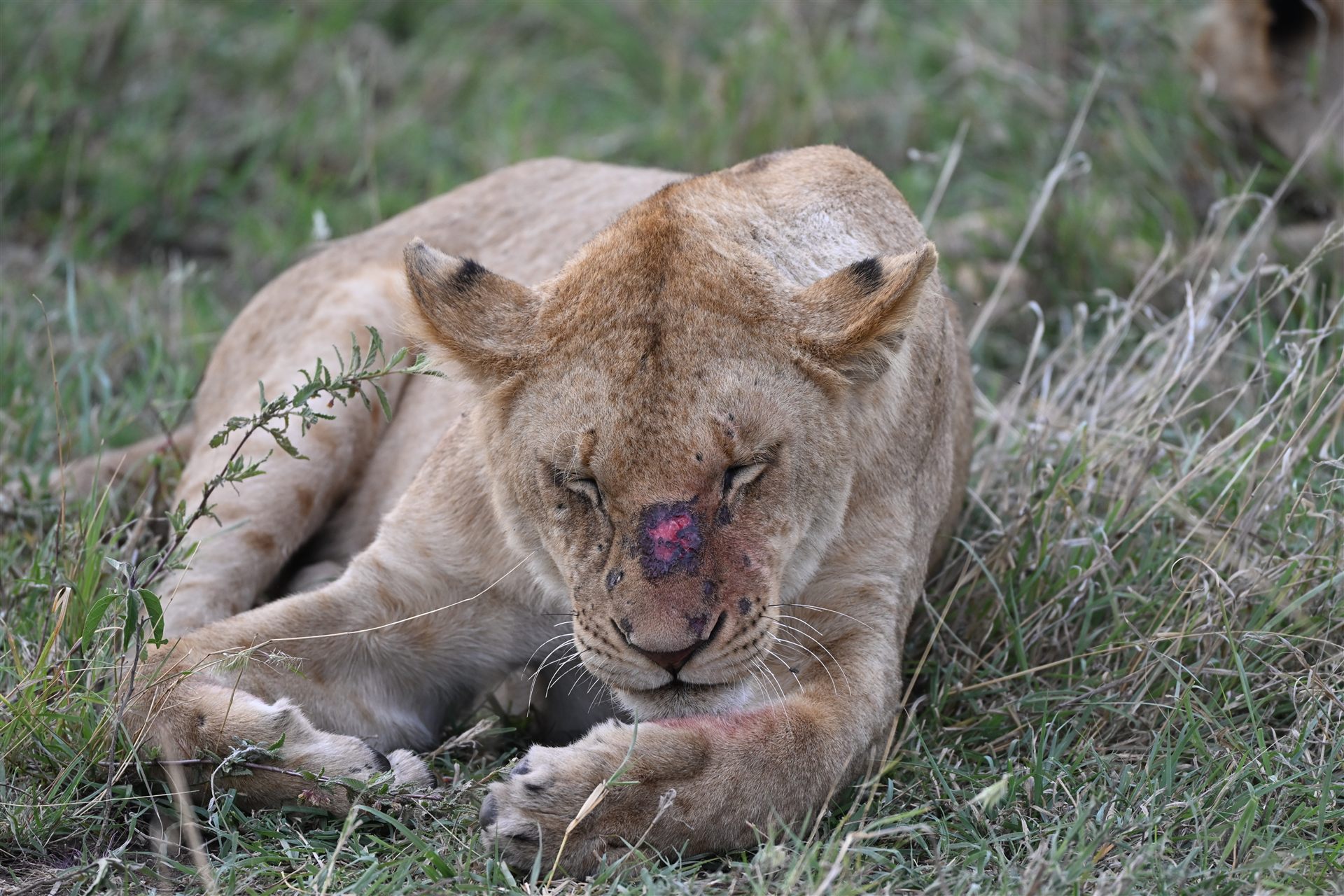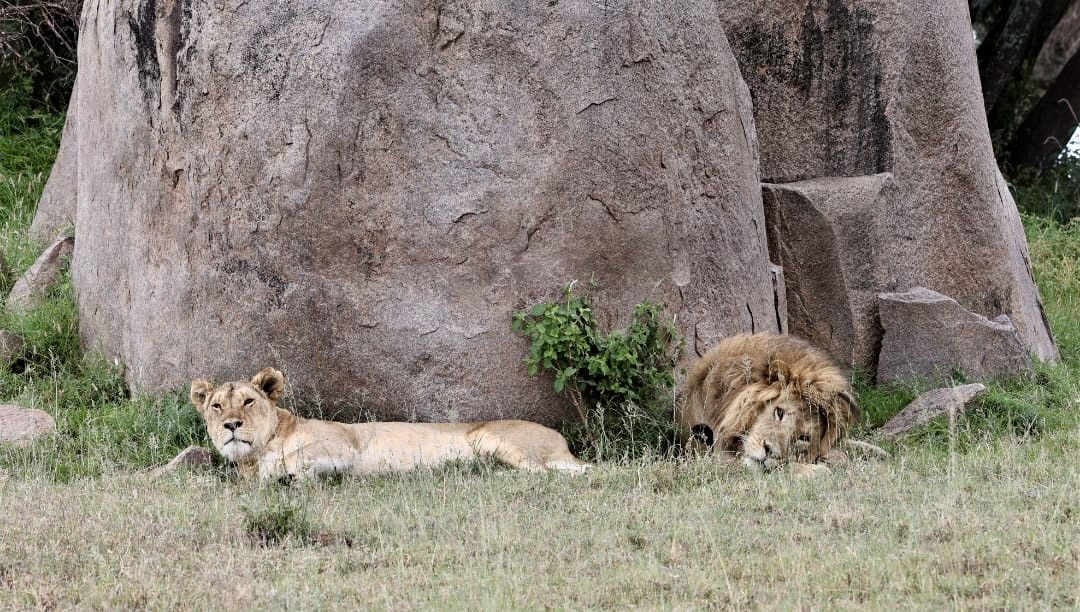

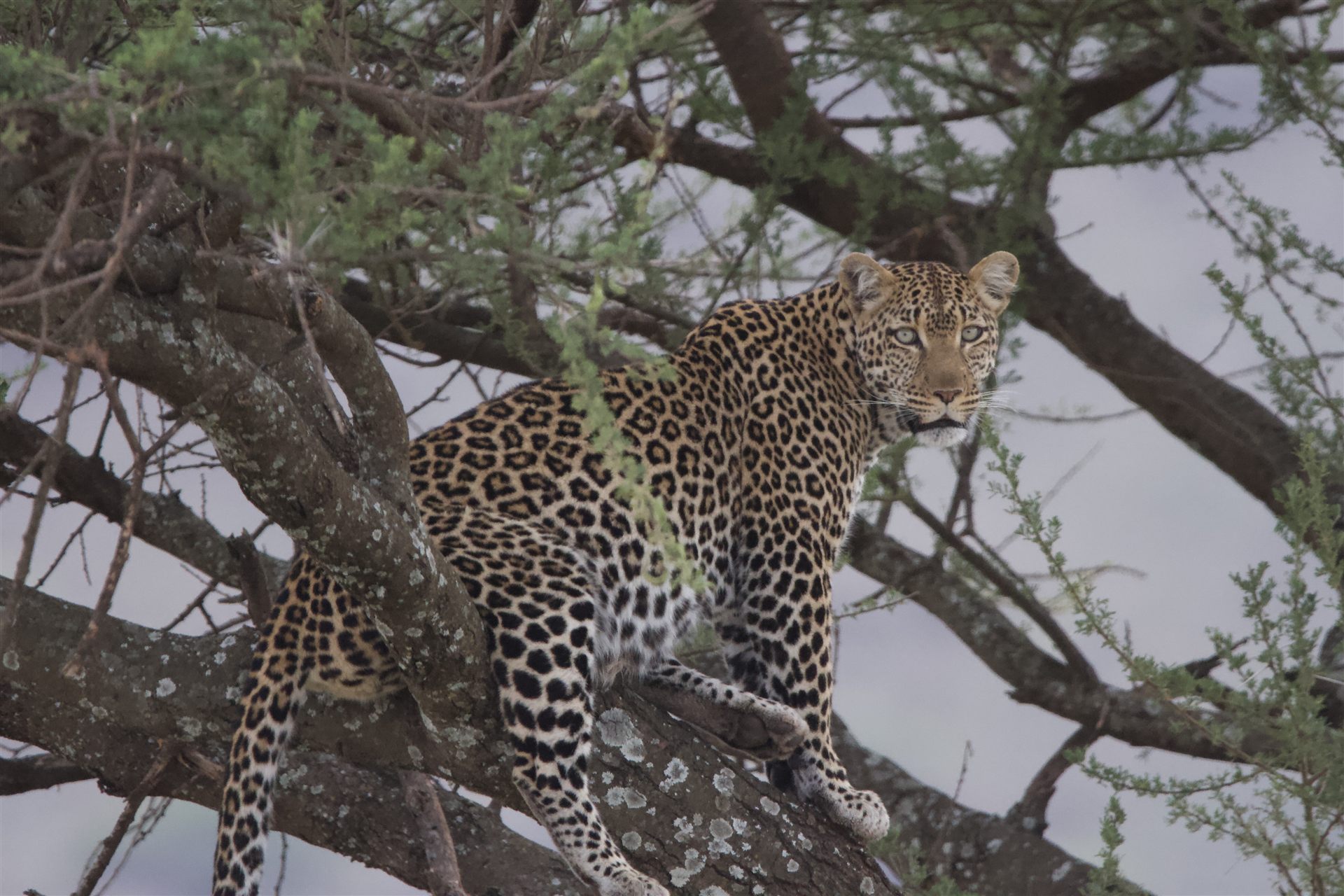
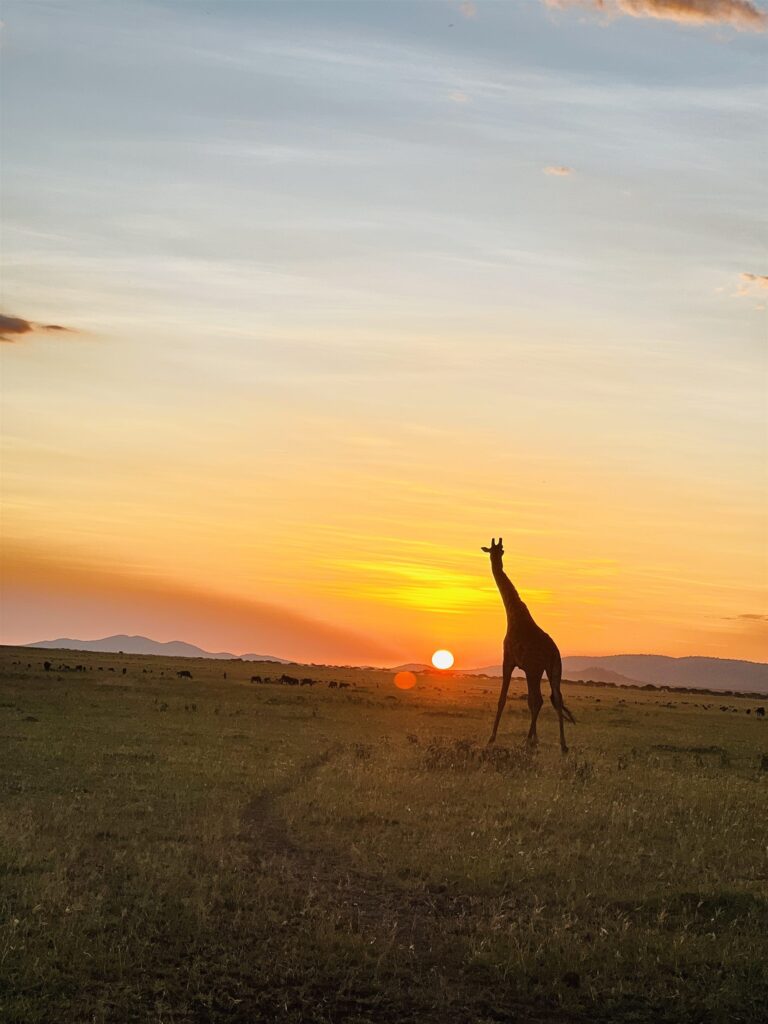
Choosing when to visit Tanzania is one of the most important decisions in your safari planning. The month you pick influences predator sightings at dawn, how dusty the tracks feel, lodge prices, domestic flight availability, and whether you are in the right Serengeti sector for river crossings or calving. There is no single perfect month for everyone: photographers, families, birders, and first-time visitors often want different balances of weather, crowds, and wildlife drama.
At Extenterra Safari’s in Arusha we build itineraries around realistic drive times between northern circuit destinations, not brochure headlines. This guide walks through dry season, green season, and migration-linked windows so you can match season to budget and travel style. When you are ready, browse safari packages or contact us with your preferred month.
Dry season: June through October
June through October is the classic safari window most travelers picture. Skies are clearer, grass is shorter, and animals concentrate near rivers and waterholes. Game drives in the Serengeti, Ngorongoro Crater, and Tarangire reward patience with predator action and large herds. Mornings are cool; afternoons warm. Lodge rates peak in July and August, so book early if you want specific camps.
Dry season suits first-time visitors who want reliable wildlife density and straightforward road conditions. Pair parks with our 4-day northern parks extension or a longer custom route. Review Tanzania travel tips for visas and health prep before you fly.
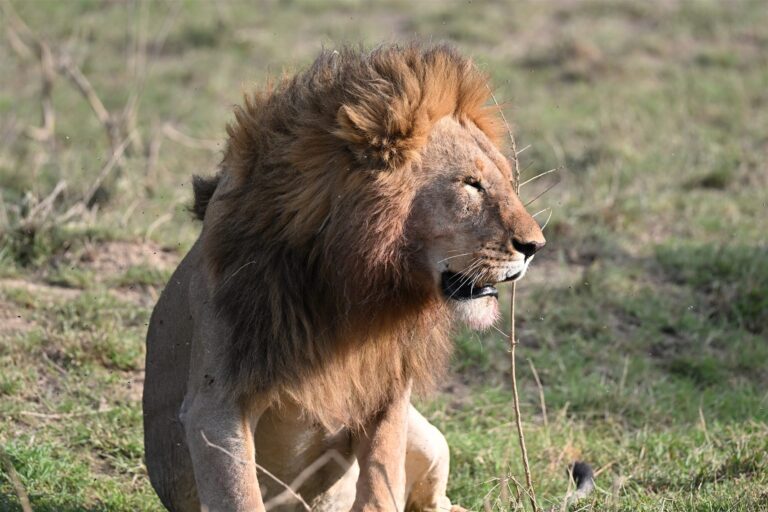
Green season: November through May
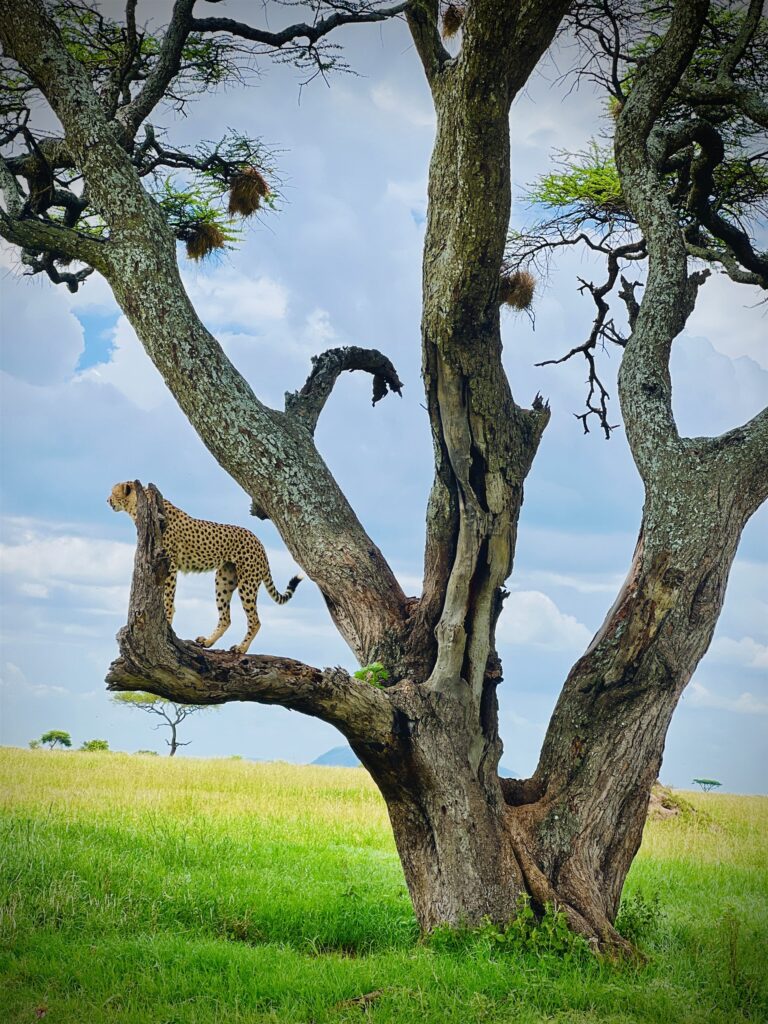
November through May brings lush landscapes, dramatic skies, and fewer vehicles on many tracks. Birding is excellent as migrants arrive. Rates are often softer, which helps families or groups stretching budget across more nights. The trade-off is longer grass in some sectors, so guides work harder to find cats, but the reward is intimate sightings without queues of vehicles.
January to March is calving season in the southern Serengeti plains: wildebeest births attract lions, cheetahs, and hyenas. If your goal is predator action on young calves, green season may beat peak dry months. See our Serengeti Great Migration guide for how herds move month by month.
Extenterra tip
Book lodges before flights when traveling in July, August, or Christmas. Arusha-based operators like us can hold rooms while you confirm international tickets.
Migration months and park pairings
Great Migration timing is not one date on a calendar. Roughly July to October pushes herds toward the Mara River in the northern Serengeti. January to March concentrates calving in the south. Between those peaks, herds shift with rain and grass height. A migration-focused trip should include flexible lodge sectors and a guide who reads the day, not yesterday’s map pin.
Combine migration dates with crater and elephant parks: many guests do Tarangire and Ngorongoro before Serengeti nights. Explore the safari gallery for recent wildlife photos, then ask about our 14-day Great Migration safari.
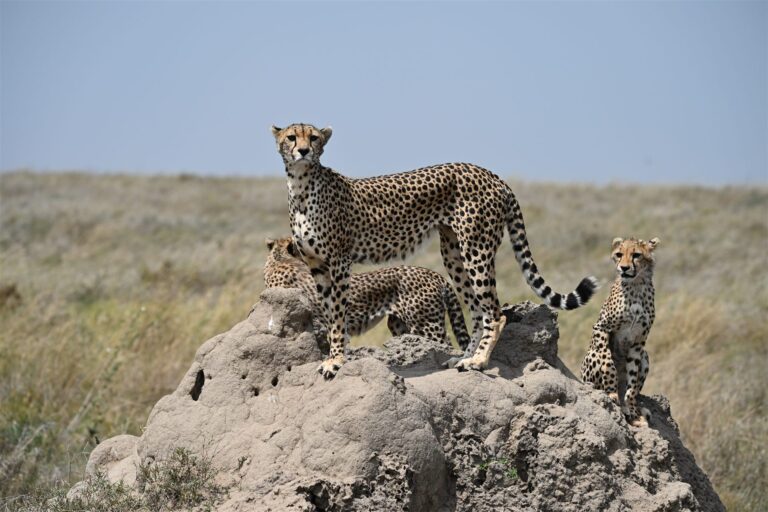
Month-by-month quick reference
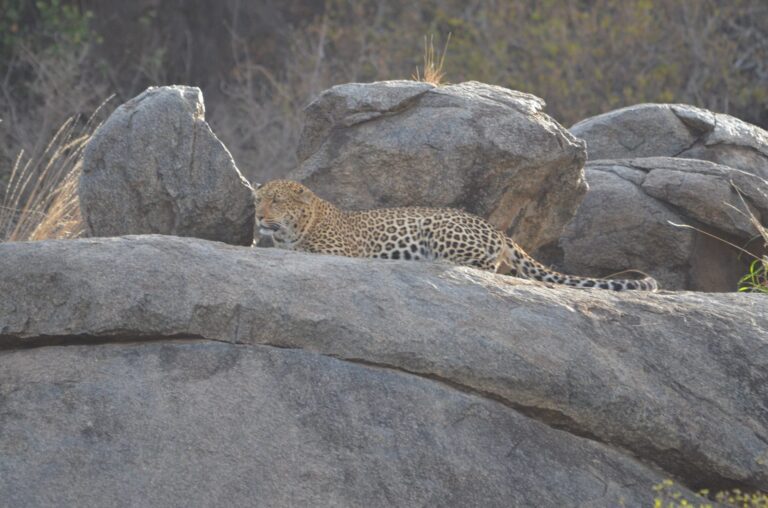
January to March: southern Serengeti calving, strong predator action, some rain. April to May: quieter parks, excellent value, plan for afternoon showers. June: transition toward dry season, grass still green in places. July to October: peak dry season and northern migration drama. November to December: short rains, refreshed landscapes, good shoulder pricing.
Still unsure? Read FAQs, compare what to pack, and request a quote. We reply from Arusha with honest season advice tied to the parks you want.
Your ideal month depends on whether you prioritize river crossings, calving, budget, or birding. Extenterra Safari’s does not sell one fixed calendar: we adjust nights, lodge tiers, and flight legs so your dates match wildlife goals. Start with season, then shape the route.
Plan with Arusha experts
Ready to build your Tanzania safari?
Extenterra Safari’s designs private northern circuit routes, migration timing, and Zanzibar beach finishes from our base in Arusha. Tell us your dates and we will reply with a clear day-by-day plan.