Ngorongoro Crater Safari: What to Expect

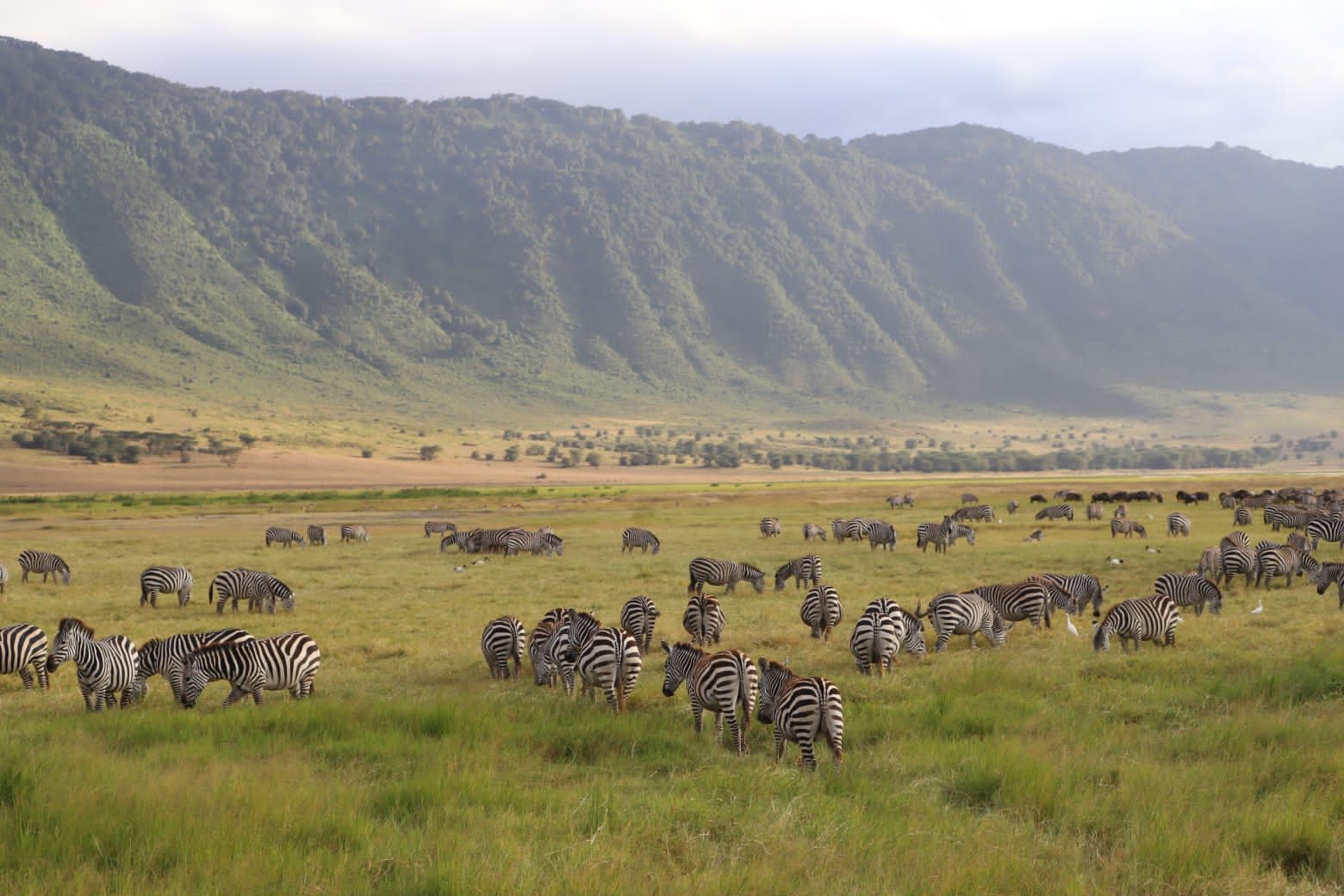
zebra herd grazing ngorongoro crater plains

The Ngorongoro Crater is a UNESCO World Heritage caldera where steep walls enclose grassland, forest patches, and soda lakes in a single bowl. In one well-timed day you can see zebra, buffalo, flamingos, hippos, and with patience and luck the endangered black rhino. It feels different from the wide-open Serengeti: distances are shorter, encounters are frequent, and the rim weather can surprise you.

Extenterra Safari’s schedules crater descents with realistic rim-to-floor timing and picnic rules. This guide explains what to expect, how to dress, and how to chain the crater with Tarangire and Serengeti nights on a northern circuit safari.

Why the crater feels unlike other parks

The floor is compact, so wildlife encounters cluster along lakes, forests, and open plains. Most visits are one full day: early descent after dawn, picnic lunch at designated sites, exit by late afternoon. Only one route serves tourist vehicles, so your guide coordinates timing to avoid the busiest picnic window when possible.

Black rhino sightings are a highlight but not guaranteed. Listen for guide radio chatter and respect park speed limits. Learn more on our Ngorongoro destination page.

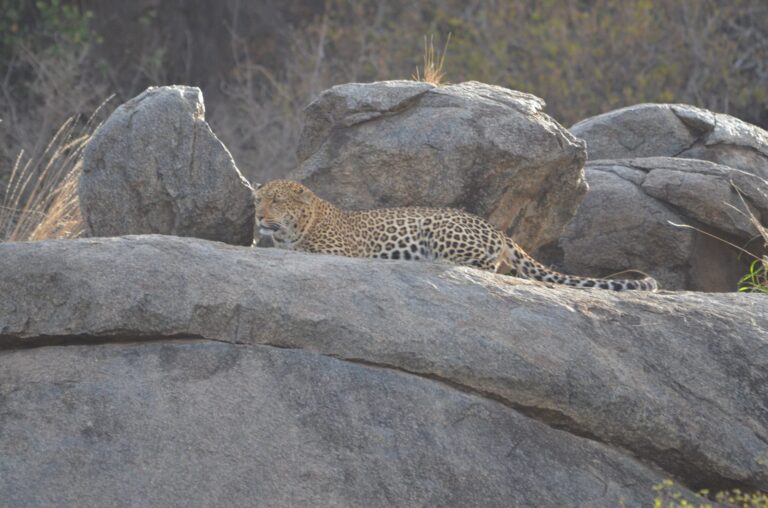
leopard resting on granite kopje

Rim lodges vs floor timing

African Elephants Feeding Leafy Branches Savanna — Tanzania safari, Extenterra Safari's

Rim lodges sit high and cool; the crater floor warms quickly after sunrise. Pack layers: fleece at breakfast, sunscreen by mid-morning. Fog can delay descent: build a flexible start time. Families appreciate rim properties with views; photographers may prefer an extra night to attempt two descents on long itineraries.

Pair the crater with elephant viewing in Tarangire and migration sectors in the Serengeti. Our 4-day northern parks extension follows a logical Arusha-Tarangire-Ngorongoro-Serengeti rhythm.

Extenterra tip

Carry binoculars and a wide-brim hat in the vehicle the night before. Crater gates reward early lines; your guide will handle permits while you finish coffee at the lodge.

Rules, picnics, and conservation

Stay on marked tracks, keep voices low near rhino stops, and never exit the vehicle except at signed picnic areas. Litter and drones are prohibited. Conservation fees support Maasai communities in the broader Ngorongoro Conservation Area. Understanding rules keeps the experience smooth for everyone on the floor.

For combined timing with migration months, read best time to visit Tanzania and Serengeti migration guide. General health and visa notes sit on travel tips.

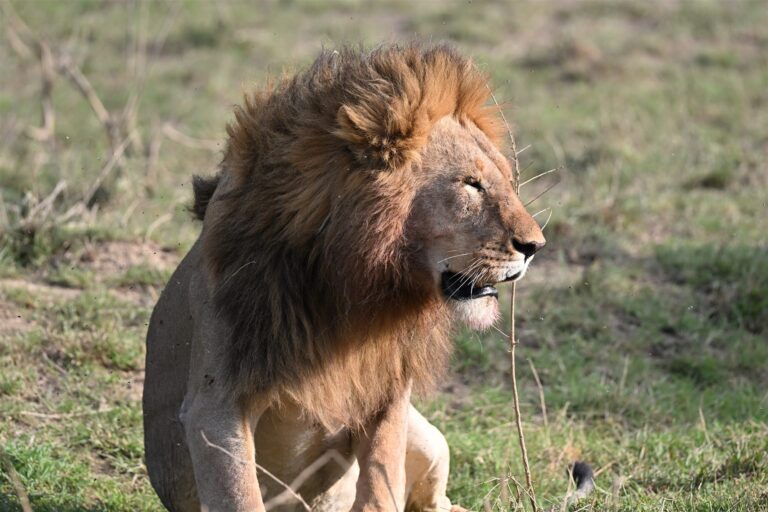
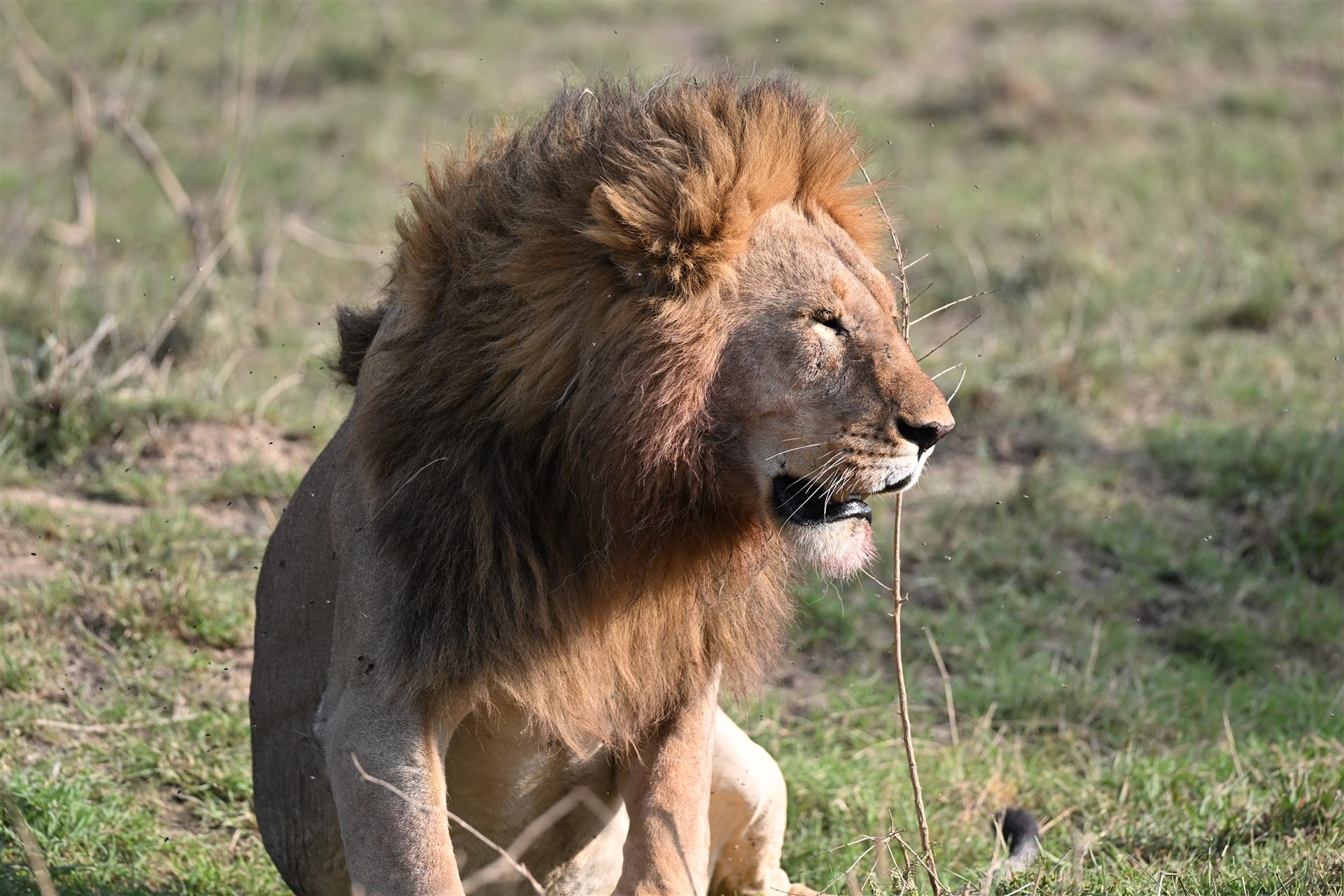
Male lion on the Serengeti savanna, Tanzania

Sample two-day crater and highlands rhythm

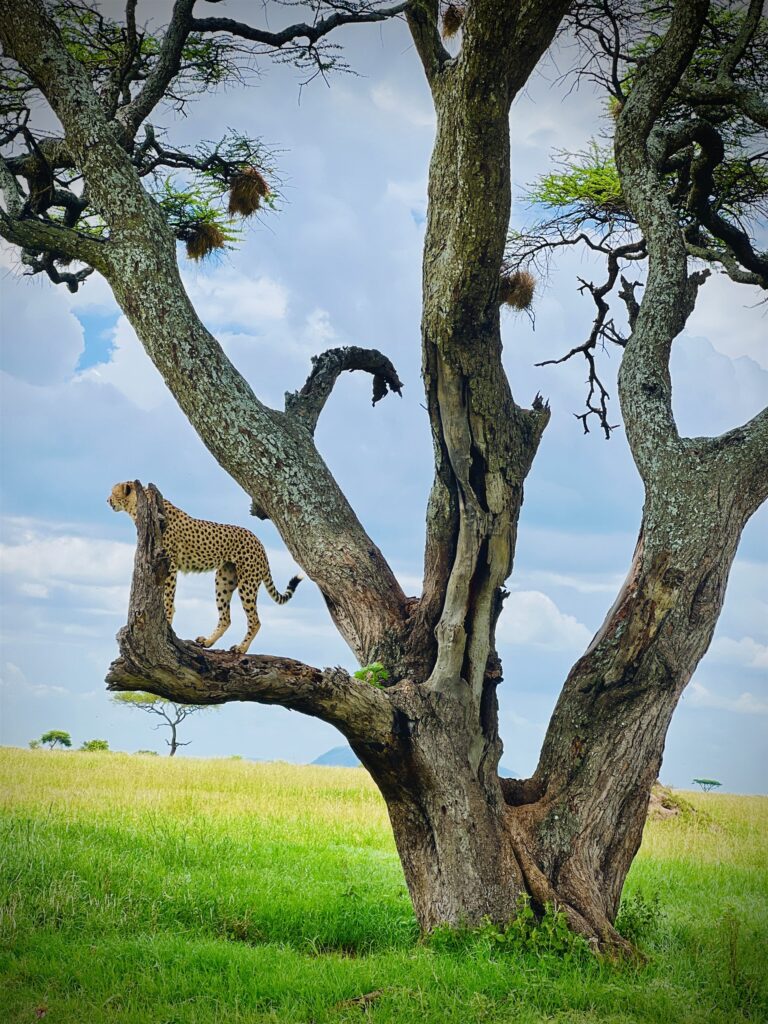
cheetah perched tree overlooking savanna plains

Day one: drive from Arusha through highland farms, optional cultural stop, rim lodge sunset. Day two: early crater descent, picnic lunch, exit mid-afternoon toward Serengeti or Lake Manyara depending on your route. Some guests add Empakaai or Olmoti walks on longer custom trips.

View recent trips in our gallery, then contact us or read FAQs on vehicle types and group sizes.

The crater is often the emotional peak of a first Tanzania safari: dense wildlife in a dramatic landscape. Extenterra Safari’s balances crater day length with Serengeti nights so you are not driving after dark on dusty roads. Tell us your dates and we will place the descent where it fits best.

Plan with Arusha experts

Ready to build your Tanzania safari?

Extenterra Safari’s designs private northern circuit routes, migration timing, and Zanzibar beach finishes from our base in Arusha. Tell us your dates and we will reply with a clear day-by-day plan.

Request a quoteBrowse safari tours

Leave a Reply

Your email address will not be published. Required fields are marked *

Related stories

  • 25 May, 2026
Plan your Serengeti Great Migration safari: best months, where herds move, and how to combine the northern circuit...

Search

Millions of experiences. One simple search.

Filter